
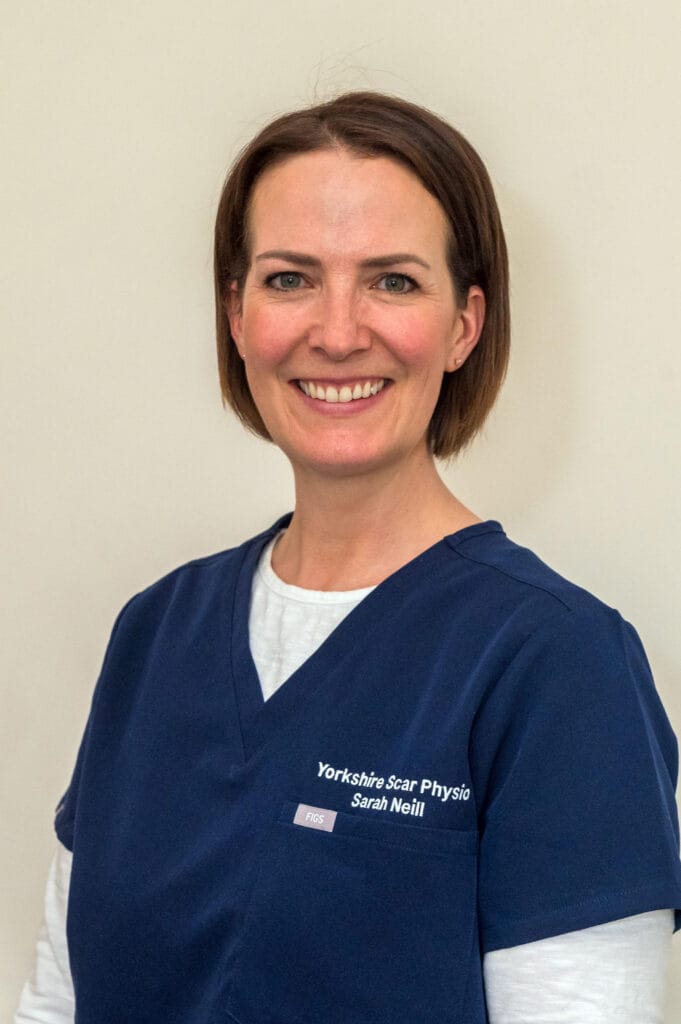
Sarah Neill
Sarah brings a wealth of clinical expertise across musculoskeletal, neurology, orthopaedics, oncology, and palliative care, driven by a real passion for helping people feel comfortable in their bodies again.
- 07933 379993
- info@yorkshirescarphysio.com
- https://yorkshirescarphysio.com/
Scar therapy is a gentle, specialist treatment that helps improve the comfort, mobility, and appearance of scar tissue — whether your scar is new or many years old.
Scar Therapy at York Natural Health
Sarah’s journey into scar therapy began personally — following her own cancer diagnosis and the breast surgery scars that came with her treatment, she experienced first-hand what a difference the right care can make. That experience informs everything about how she works: with warmth, patience, and genuine clinical expertise.
Sarah trained in the Restore Therapy method and has completed specialist C-section scar training with Hannah Poulton, a leading UK scar specialist at HLP Therapy. She works with post-surgical, C-section, mastectomy, and trauma scars, drawing on specialist massage, kinesiology taping, silicone therapy, and the LymphaTouch Pro device to support recovery.
Outside the clinic, she’s a mum of two, a self-confessed country bumpkin, and is happiest out walking her dogs somewhere in the Yorkshire countryside.
What is scar therapy?
Scar therapy is a gentle, specialist approach designed to improve the comfort, mobility, and function of tissue following surgery, injury, or trauma. As the body repairs itself, scar tissue forms across and beneath the skin. This tissue behaves differently from healthy tissue — it can adhere to deeper layers, limit movement, and create symptoms that persist long after the skin looks healed.
Our approach aims to help the scar soften, move more freely, and integrate more naturally with the surrounding structures.
Who can benefit from scar therapy?
Scar therapy is suitable for anyone whose scar is affecting their daily comfort, movement, or confidence — no matter how old the scar is or how it originally formed.
People often seek support for symptoms such as:
- Tightness, pulling, or restricted movement
- Thickened, raised, or rope-like tissue
- Keloid or hypertrophic scarring
- Numbness, tingling, or altered sensation
- Itching or irritation as the tissue remodels
- A “ledge” or overhang above/below the scar (common after C‑section)
- Discomfort from clothing or certain movements
- Emotional distress related to the appearance or feel of the scar
Scars from many situations can be treated, including:
- C‑section and other obstetric procedures
- Orthopaedic, abdominal, spinal, or cardiac surgery
- Breast surgery, including mastectomy, lumpectomy, and reconstruction
- Burns, accidents, and traumatic injuries
- Cosmetic or aesthetic procedures
When can treatment start?
Scar therapy can usually begin from around 6–8 weeks after surgery, once the wound is fully closed and healing well.
Older scars also respond positively. Scars continue to remodel for up to two years, but meaningful improvements can still be achieved many years later. It is never too late to seek support.
What does a session involve?
Your appointment begins with a detailed assessment of the scar and surrounding tissues. Treatment is then tailored to your individual needs and may include:
- Specialist scar massage — gentle, hands-on techniques to address both surface and deeper layers
- Lymphatic and fascial techniques — to ease congestion, improve mobility, and support drainage
- LymphaTouch Pro — a clinically recognised negative‑pressure device that enhances lymphatic flow and supports tissue remodelling
- Kinesiology taping — to provide ongoing support between sessions
- Silicone therapy — the gold standard for maintaining softness, reducing friction, and supporting healthy collagen formation
- Personalised self‑care guidance — including home massage, product advice, and movement strategies to help you continue progress between appointments
How many sessions will I need?
The number of sessions varies depending on the scar and how your tissue responds. Many people benefit from 4–6 sessions, but your practitioner will review progress with you regularly and create a plan that aligns with your goals.
The emotional aspect of scar healing
Scars often carry emotional meaning as well as physical impact. They may be linked to difficult experiences, life‑changing events, or mixed feelings about recovery. Some people feel proud of their scar yet uncomfortable with how it feels; others feel conflicted or distressed.
At York Natural Health, we recognise the whole person behind the scar. Your sessions provide a supportive space where your physical and emotional experience is acknowledged and respected.
Pricing
Initial and follow‑up sessions: £80 (up to 1 hour)
All treatment is tailored to your individual needs. We do not offer fixed packages — your plan is created collaboratively based on your clinical presentation and goals.
Is scar therapy painful?
Scar therapy is typically very gentle. Some areas may feel sensitive, especially early on, but techniques are always adapted to ensure you remain comfortable throughout.
Scar tissue treatment
Physiotherapy
Chartered Physiotherapist
Chartered Society for Physiotherapy
- Thursday 9am - 2pm
Sarah will ensure that you receive the best possible care.
Call Now
07933 379993
we will assist you
Request A Call Back
York Natural Health Ltd. Registered in England and Wales No: 08956441 Registered Office Address: 36 York Road, Acomb, York, YO24 4LZ